Industry
Music Consulting for business
Client
4-play.io
4Play Music System
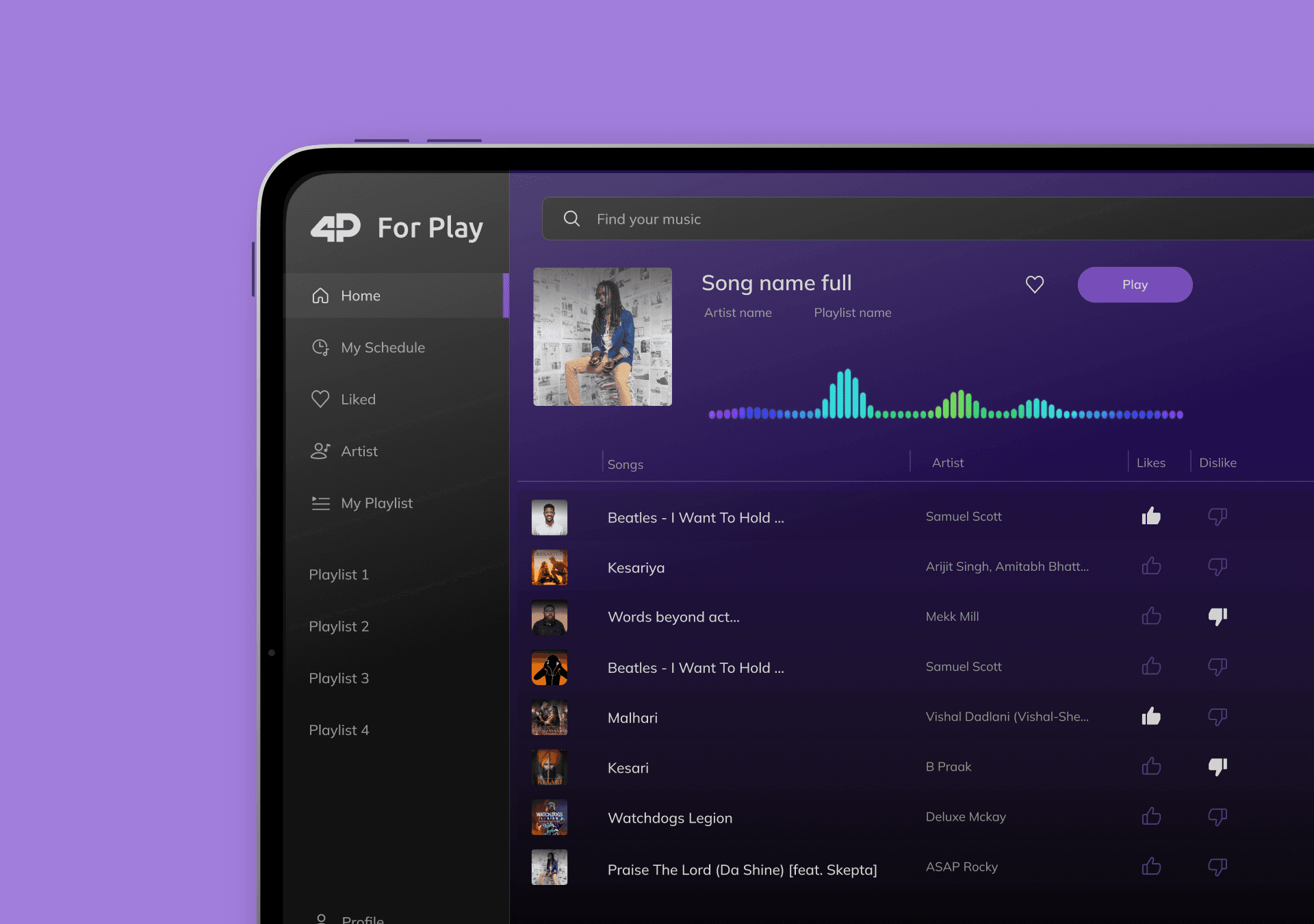
Designing an Enterprise Music Management Platform for Multi-Venue Hospitality
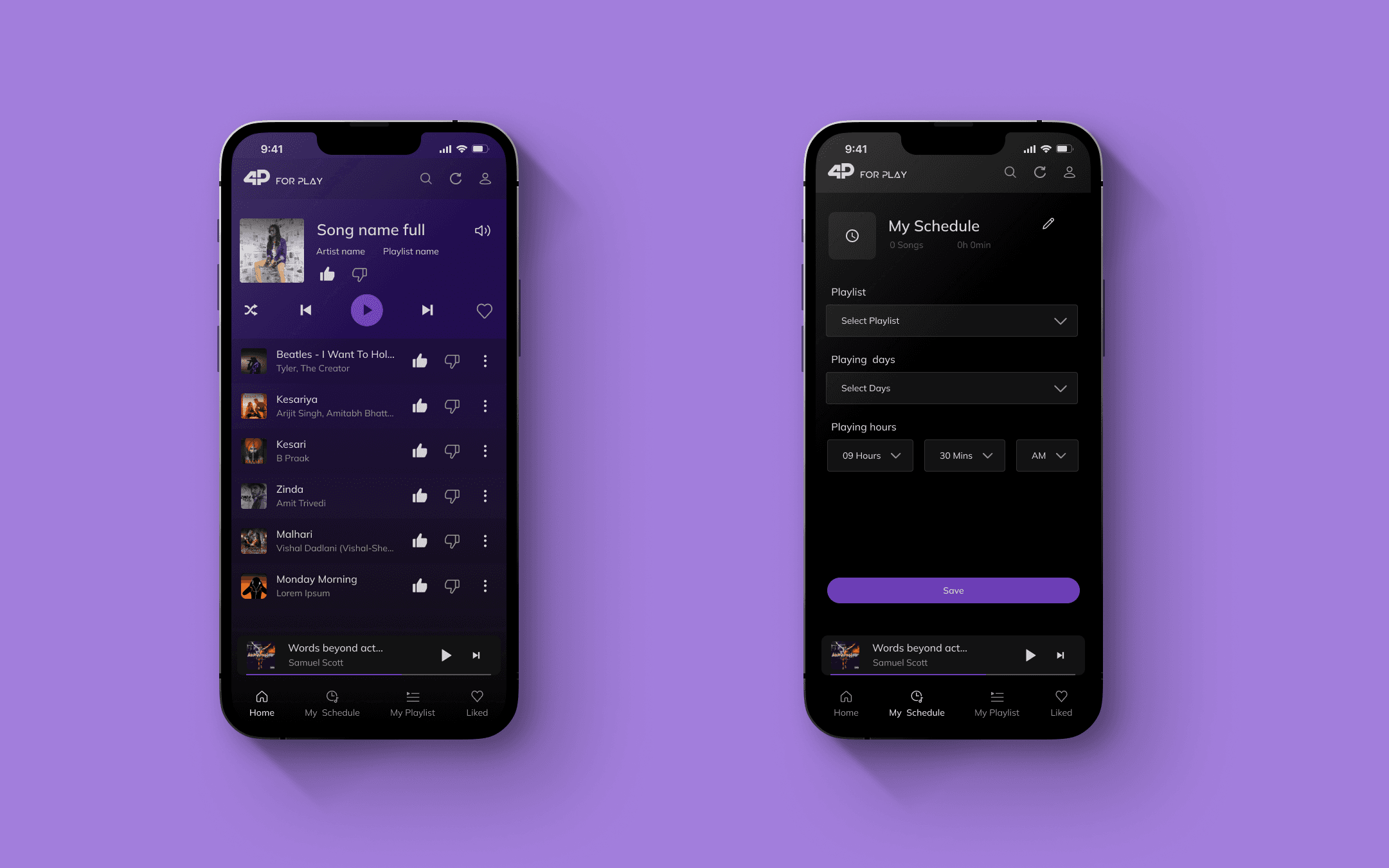
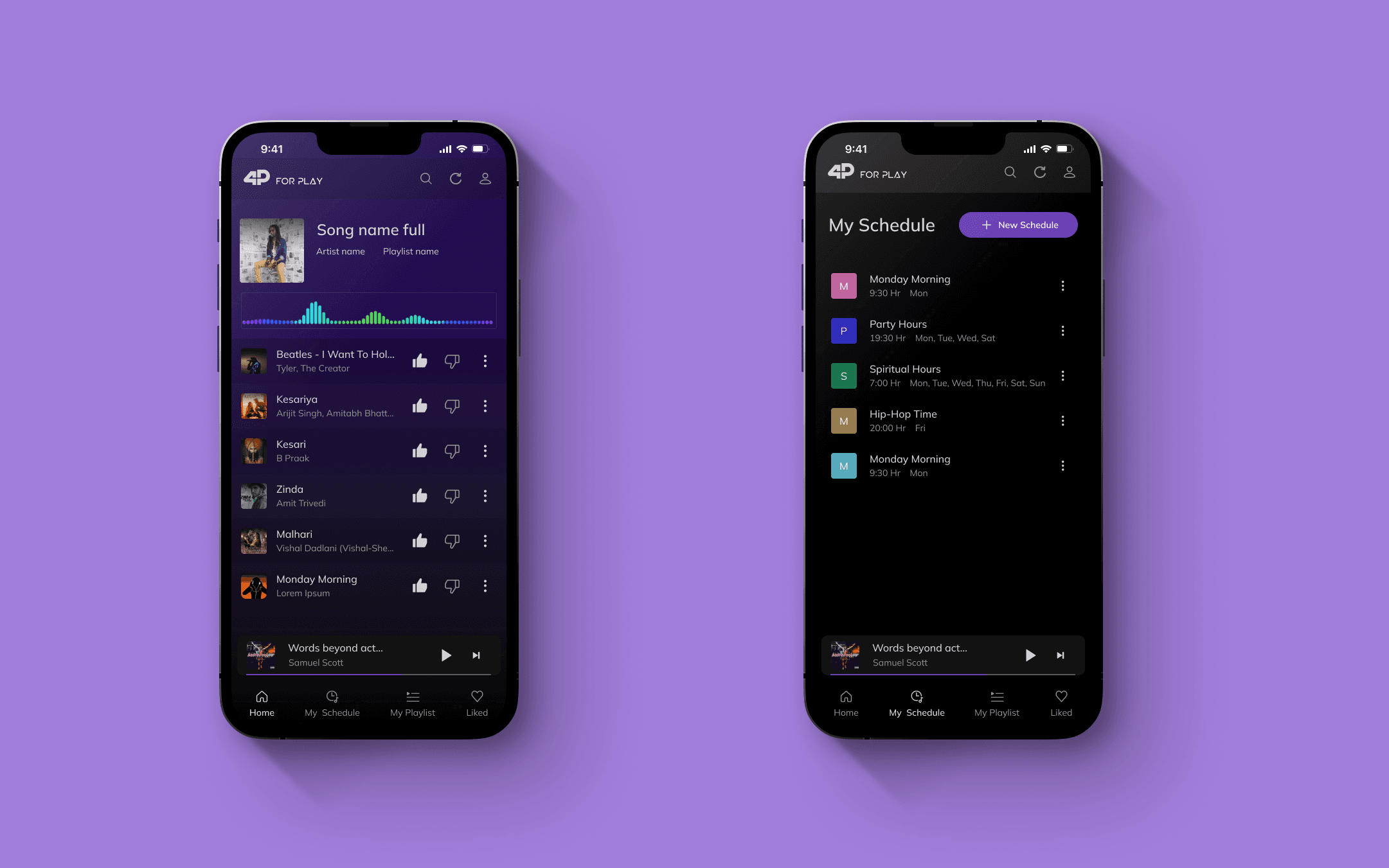
4Play is an enterprise-grade music management SaaS platform built for large hospitality groups operating multiple venues such as cafes, hotels, bars, and clubs. The platform enables centralized music control, real-time playback management, artist monetization, and administrative governance through a unified system.
Product Vision & Framing
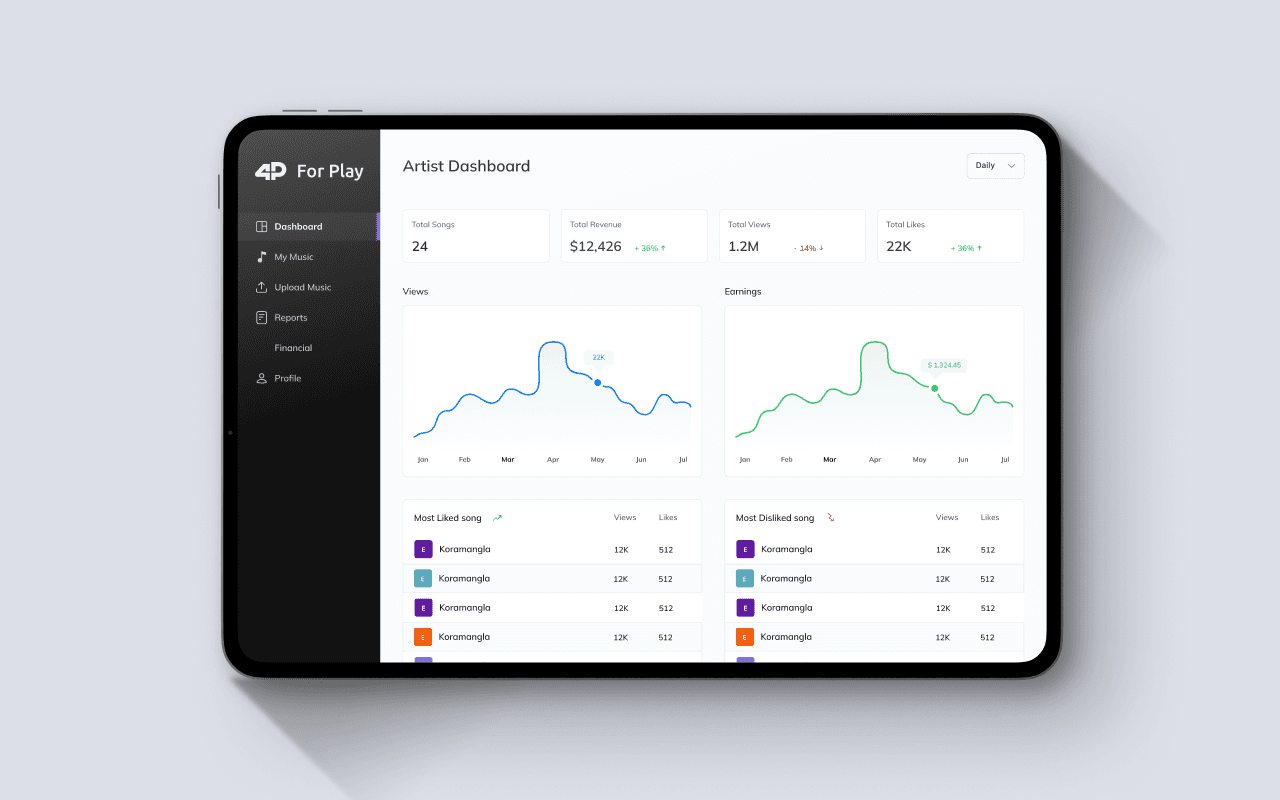
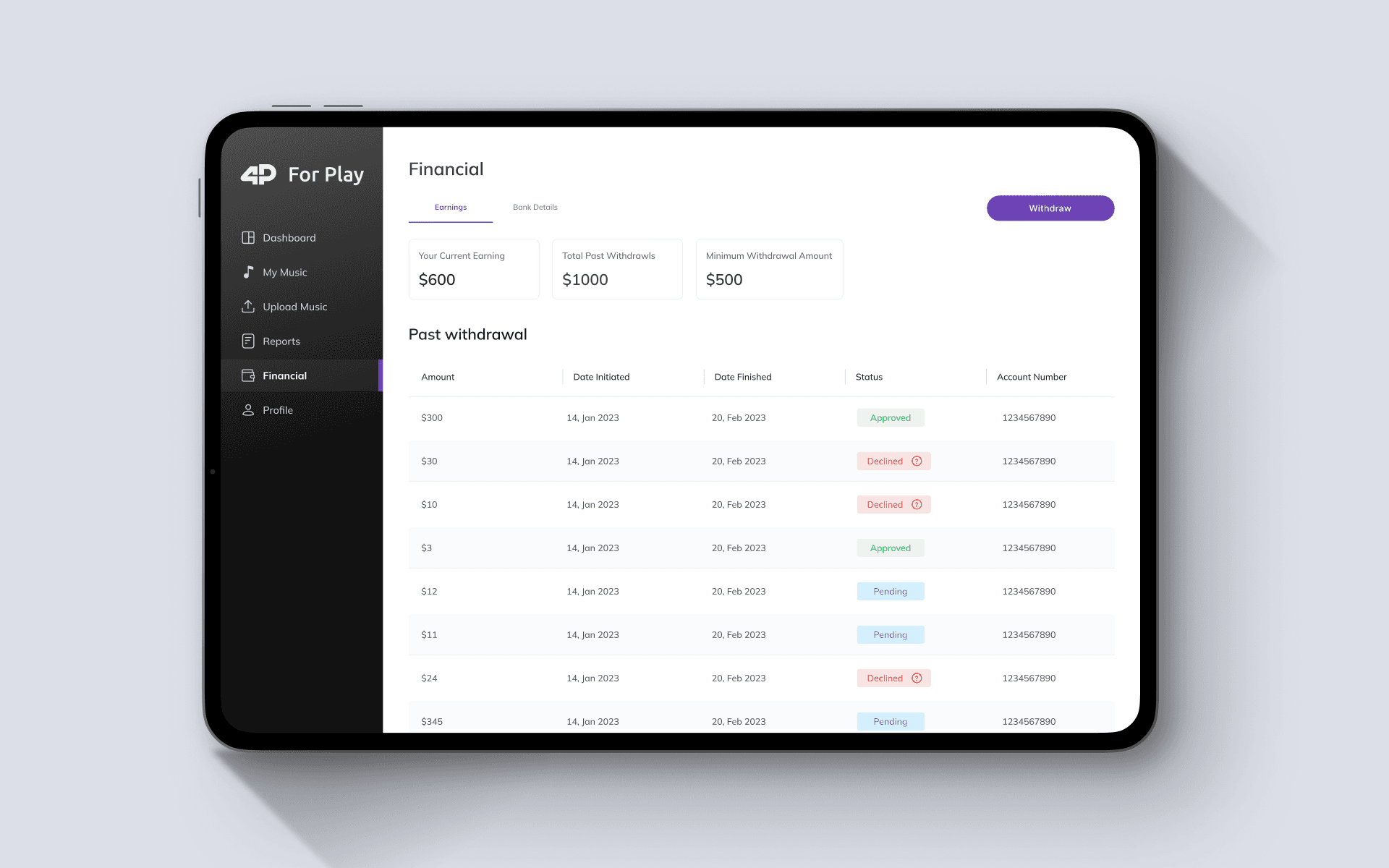
Prior to 4Play, music operations across venues were fragmented and manual—playlists were managed locally, tools were disconnected, and there was no real-time or remote control. From a design perspective, the challenge was to bring order, clarity, and consistency to a highly distributed system with multiple stakeholders. Additionally, artists lacked visibility into where their music was played and how it generated revenue. The UX needed to serve very different user groups—venue operators, artists, and administrators—without overwhelming any of them.
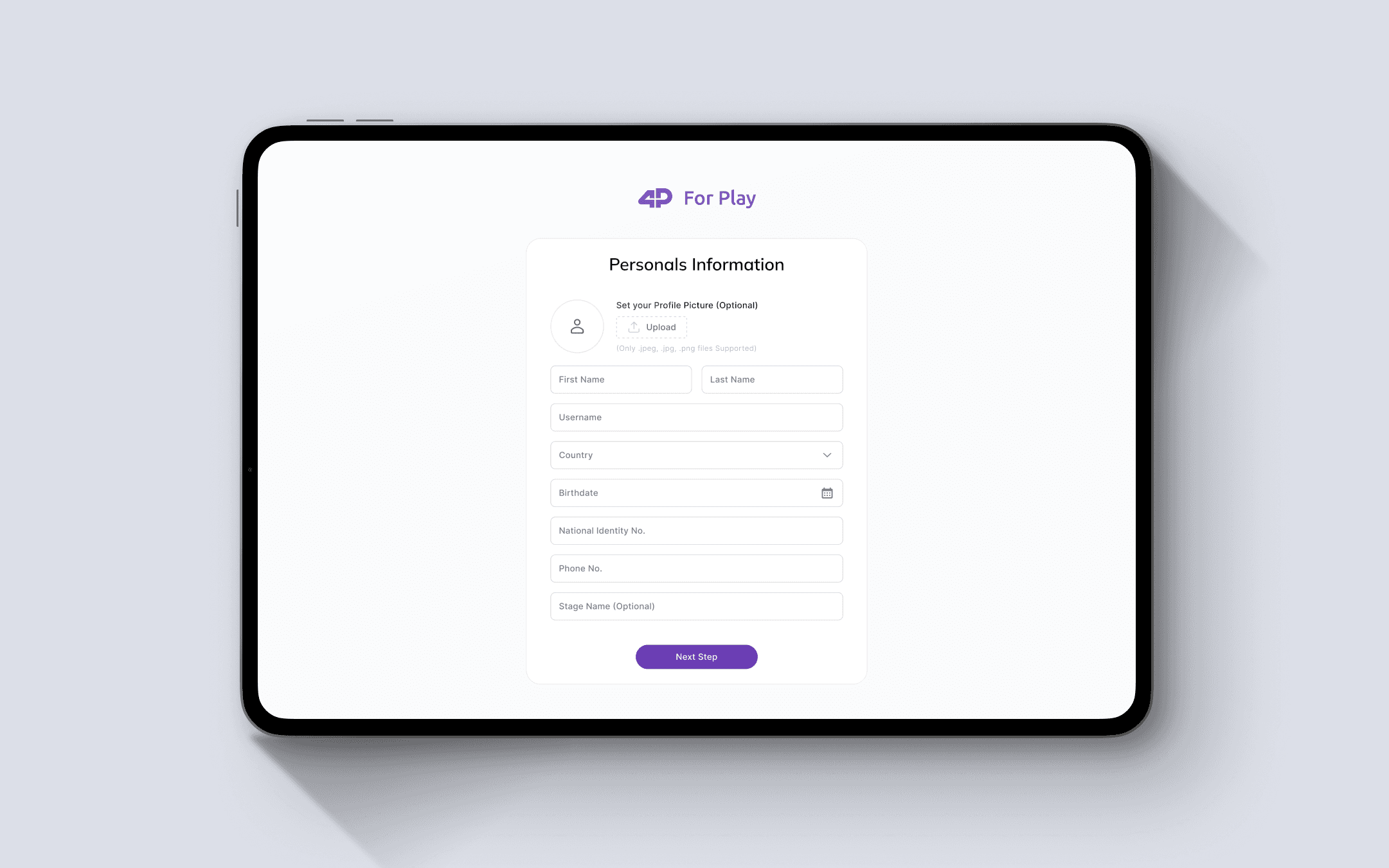
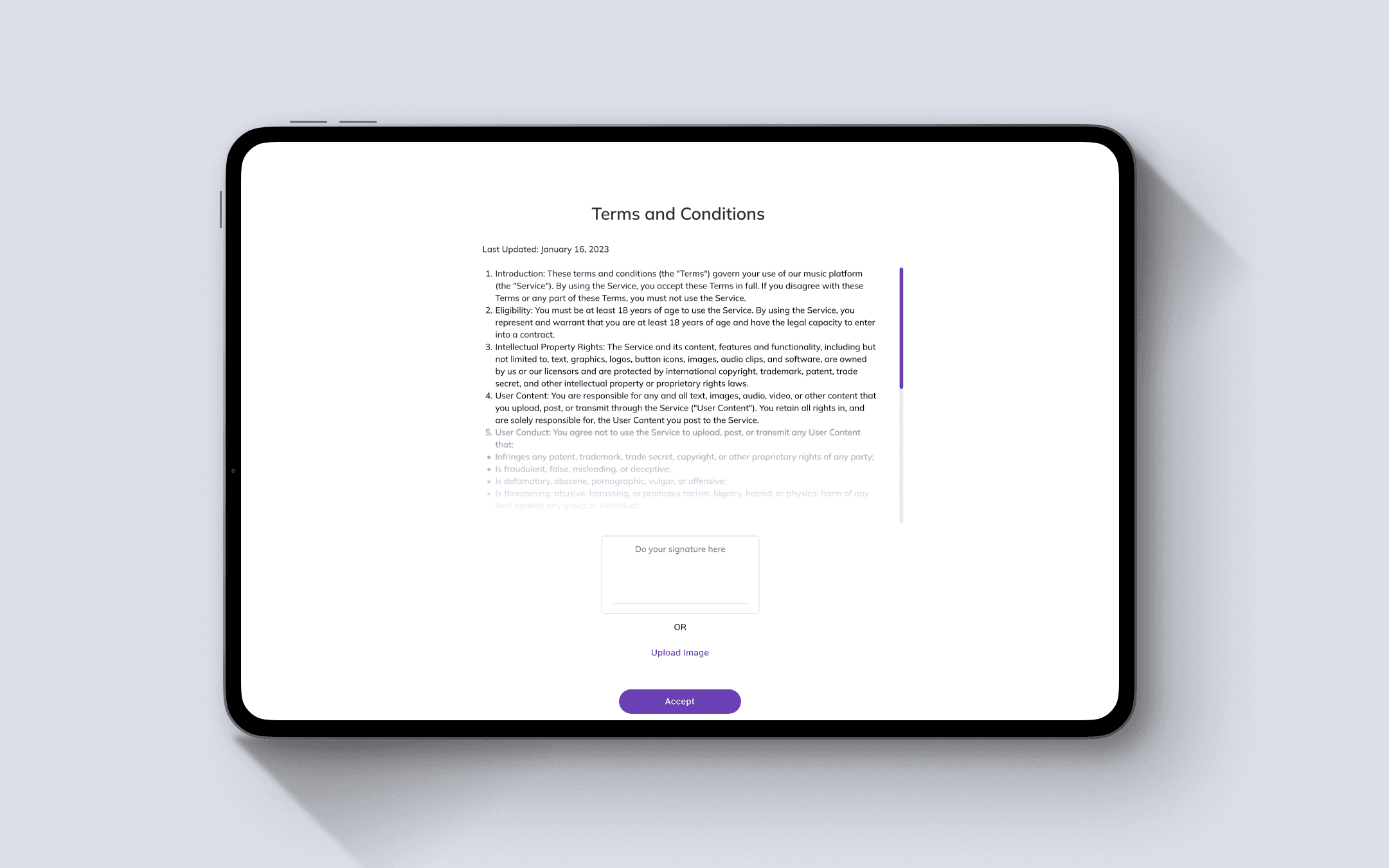
Research, Discovery & Direction
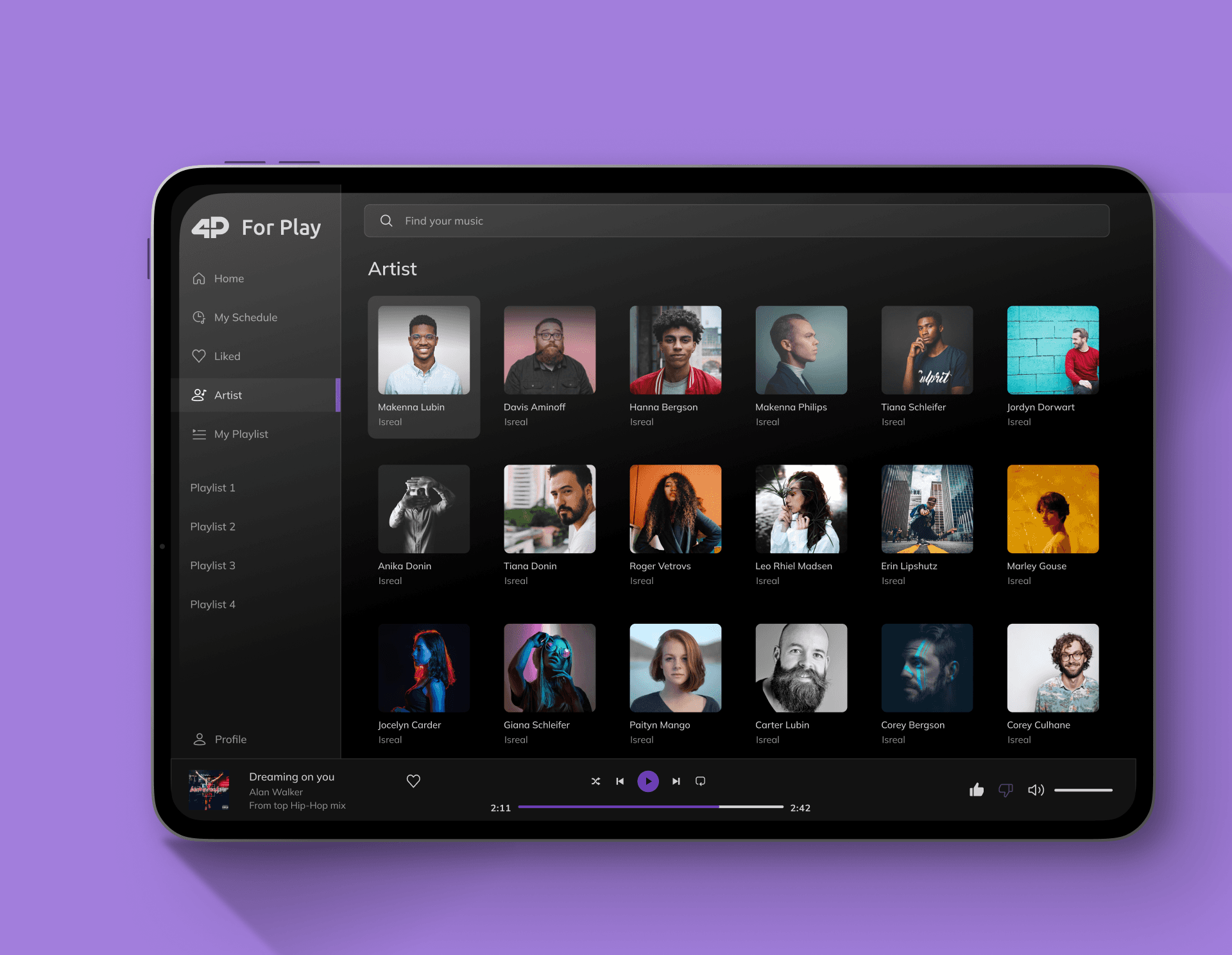
I approached the project with an enterprise-first, role-based UX strategy. The process began with mapping workflows for each core persona—venue managers, artists, and platform admins—focusing on real-world operational scenarios such as long-running playback, remote intervention, and analytics monitoring. I designed end-to-end user journeys that prioritized reliability, minimal interruption, and fast decision-making. Visual hierarchy, restrained color usage, and data-first layouts ensured the interface remained usable during extended operational hours common in hospitality environments.
Design Execution
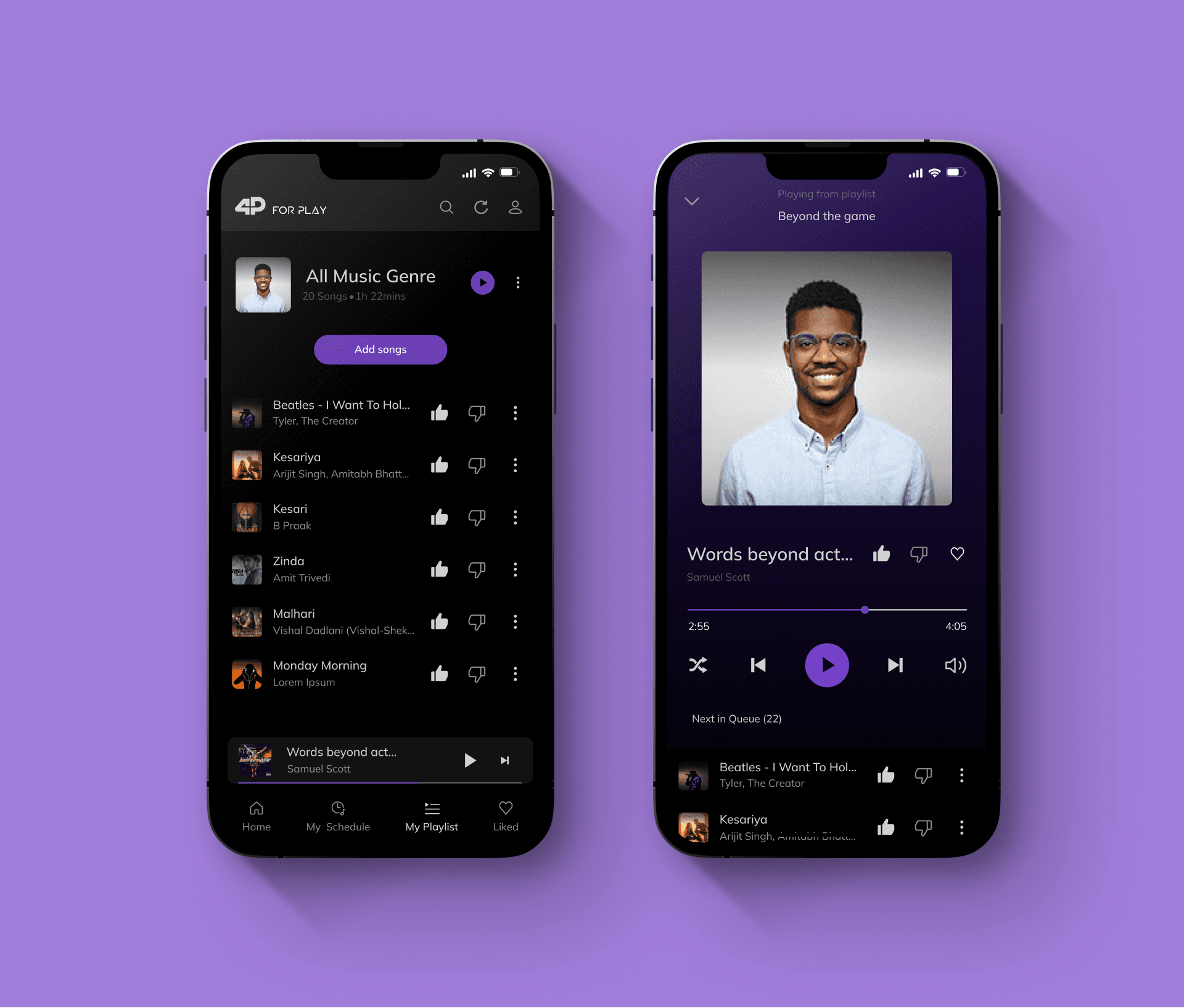
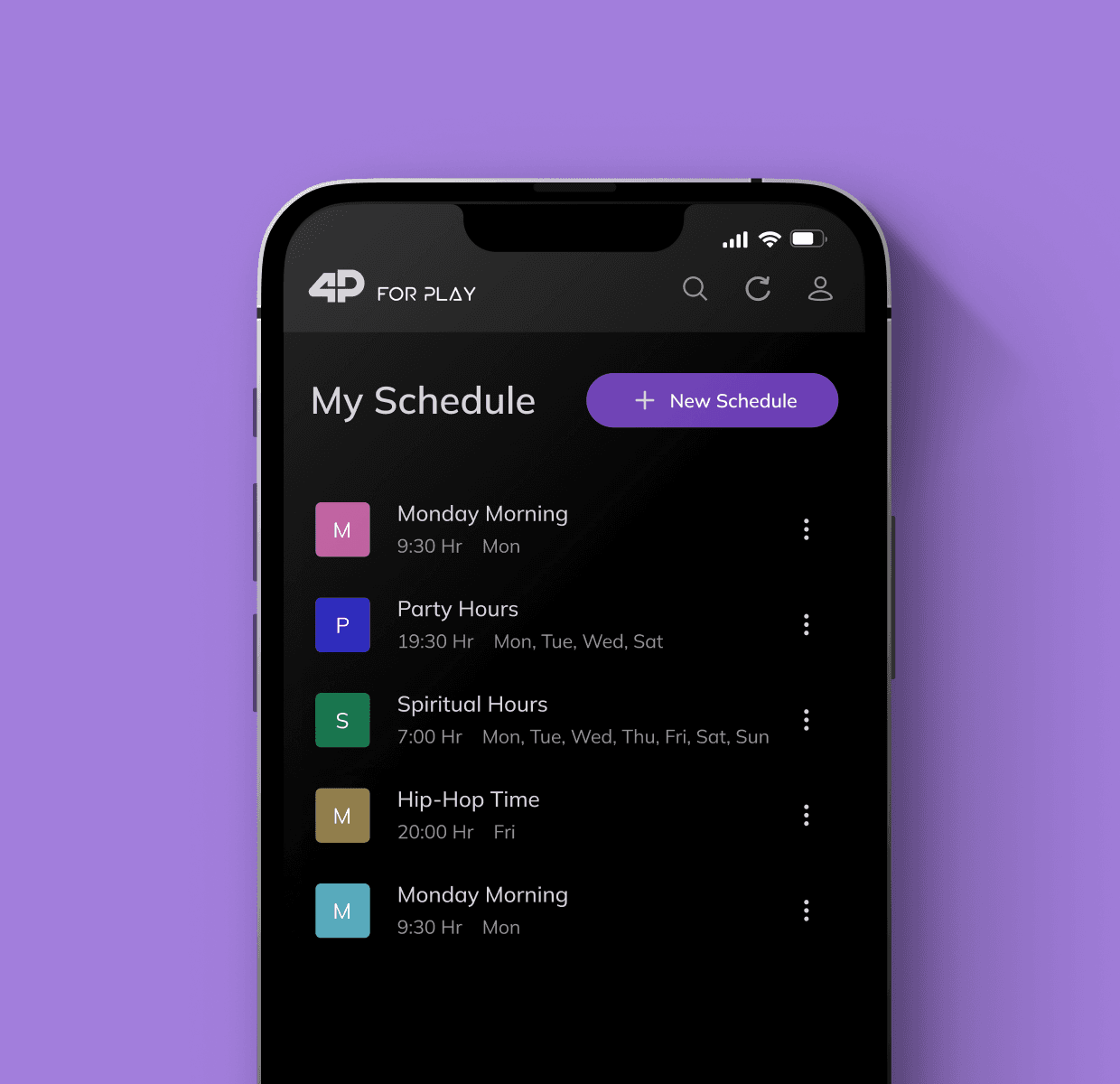
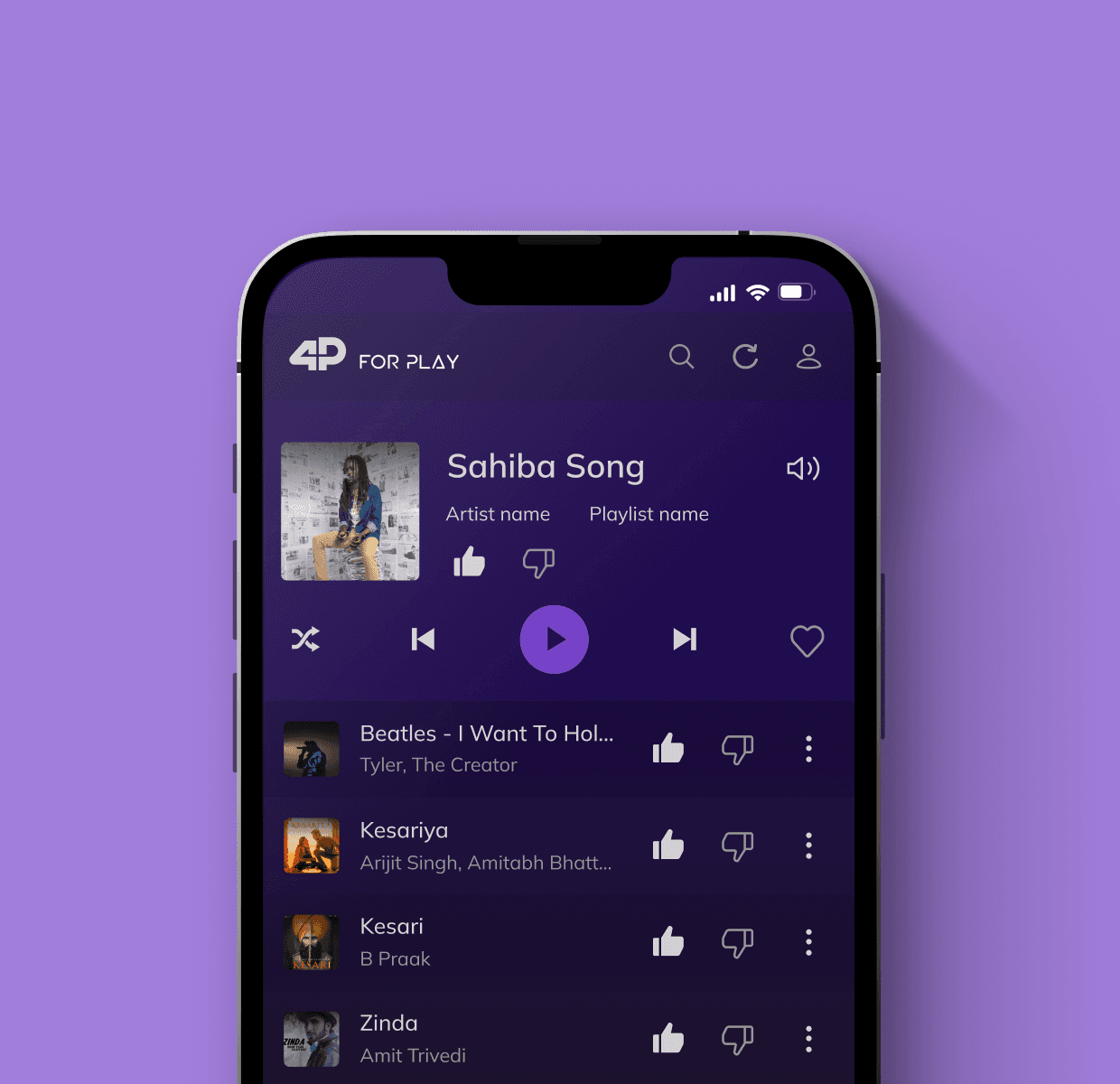
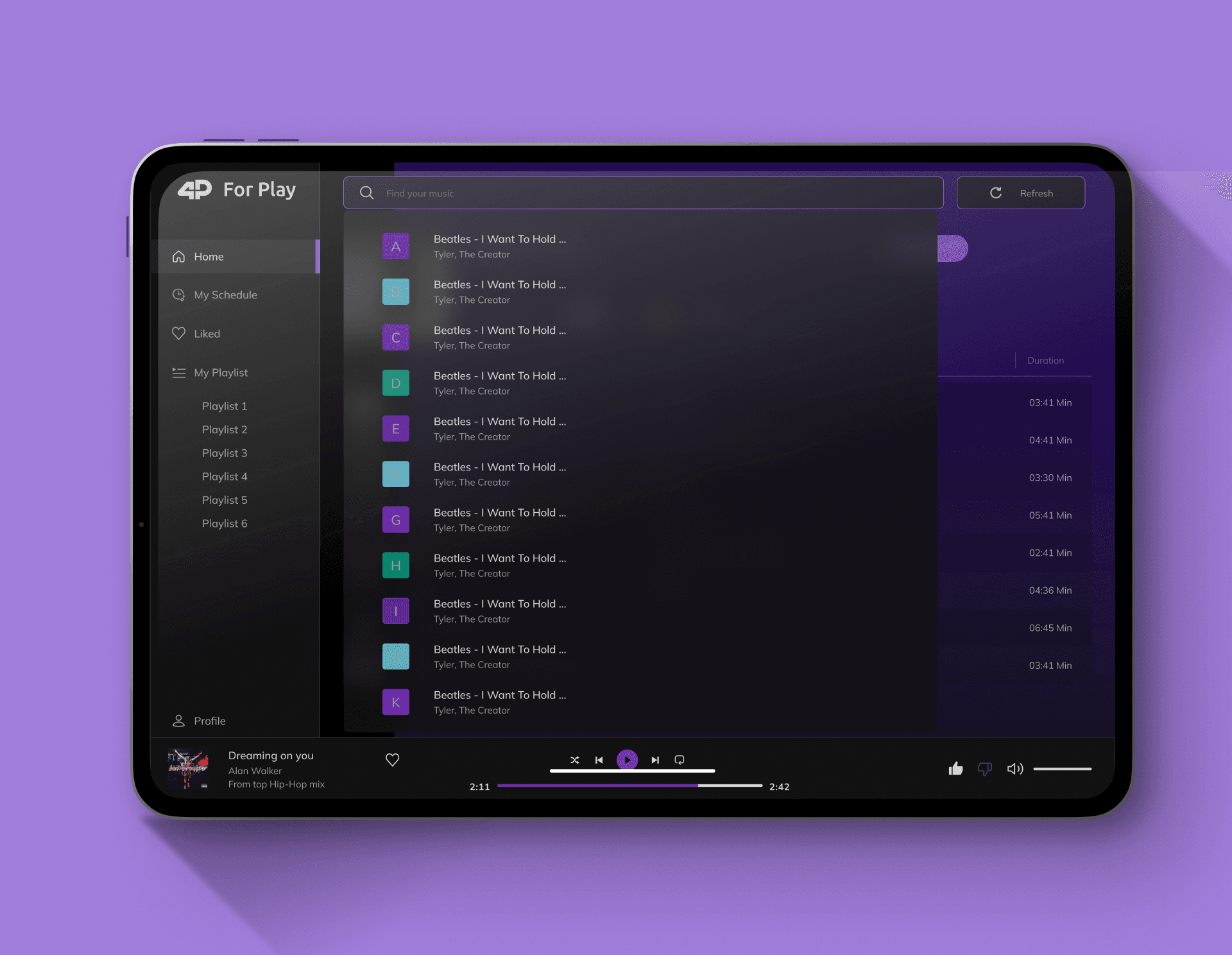
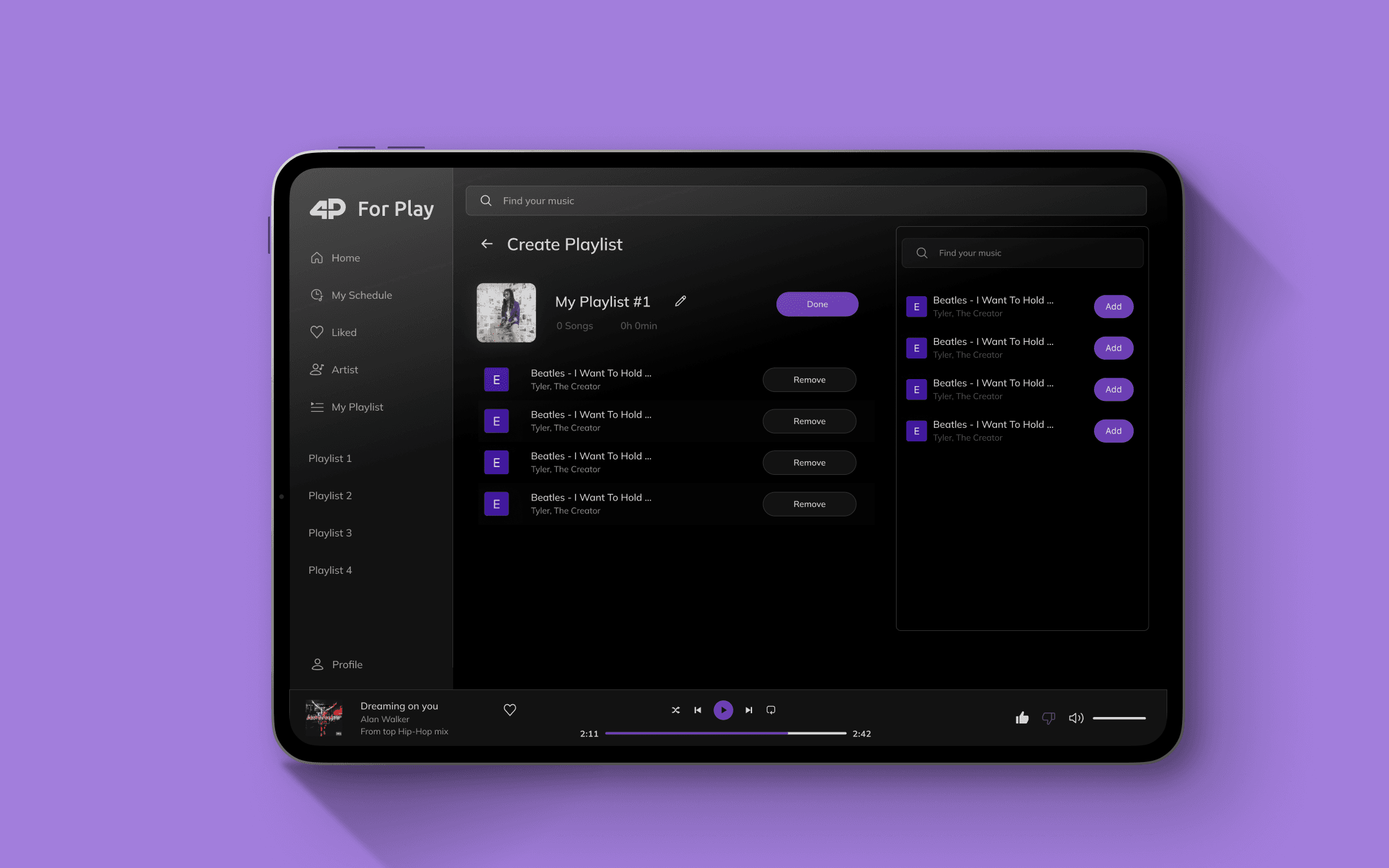
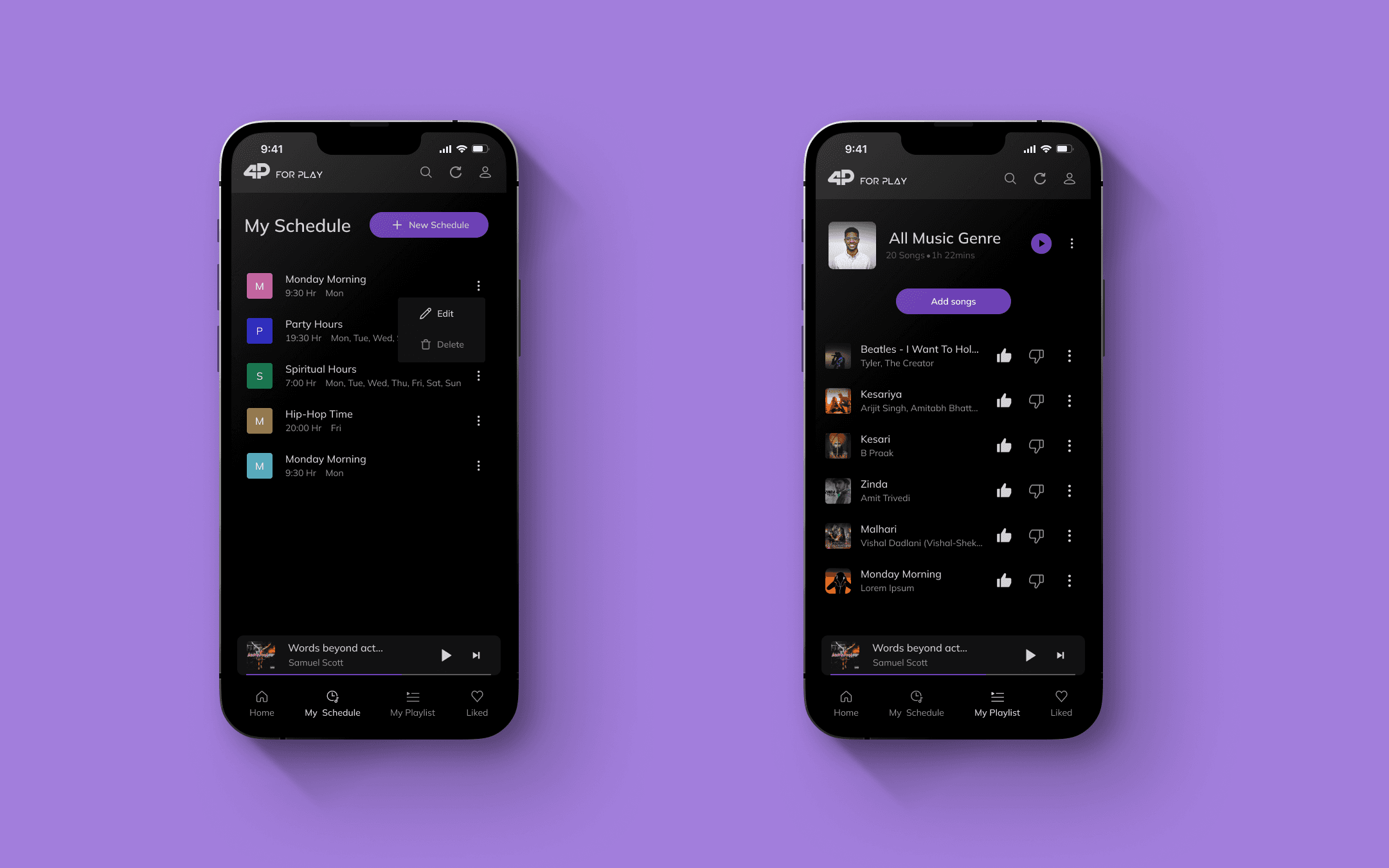
A scalable UI system was created to support multiple applications within the platform, including the real-time music player, artist dashboards, and admin governance tools. Components such as playback controls, analytics tables, status indicators, and role-based navigation were standardized for consistency and ease of use. Special attention was given to real-time feedback states—ensuring users always understood playback status, connectivity, and system health. The design system enabled rapid iteration while maintaining a cohesive experience across web and mobile interfaces.
Cross-Team & Partner Collaboration
I worked closely with product managers, frontend and backend engineers, and QA throughout agile sprints to ensure UX decisions aligned with real-time system constraints and security requirements. This collaboration ensured the interface accurately reflected system behavior while remaining intuitive. The final design replaced fragmented workflows with a centralized control experience, improved consistency of music across venues, enabled transparent artist monetization, and supported a new SaaS business model. Today, 4Play operates as a production-ready enterprise platform, designed to scale globally while maintaining a simple and reliable user experience.
When software runs for hours, design must think in days, not screens
Unknown