Industry
Health care
Client
MyMilk
My Lee
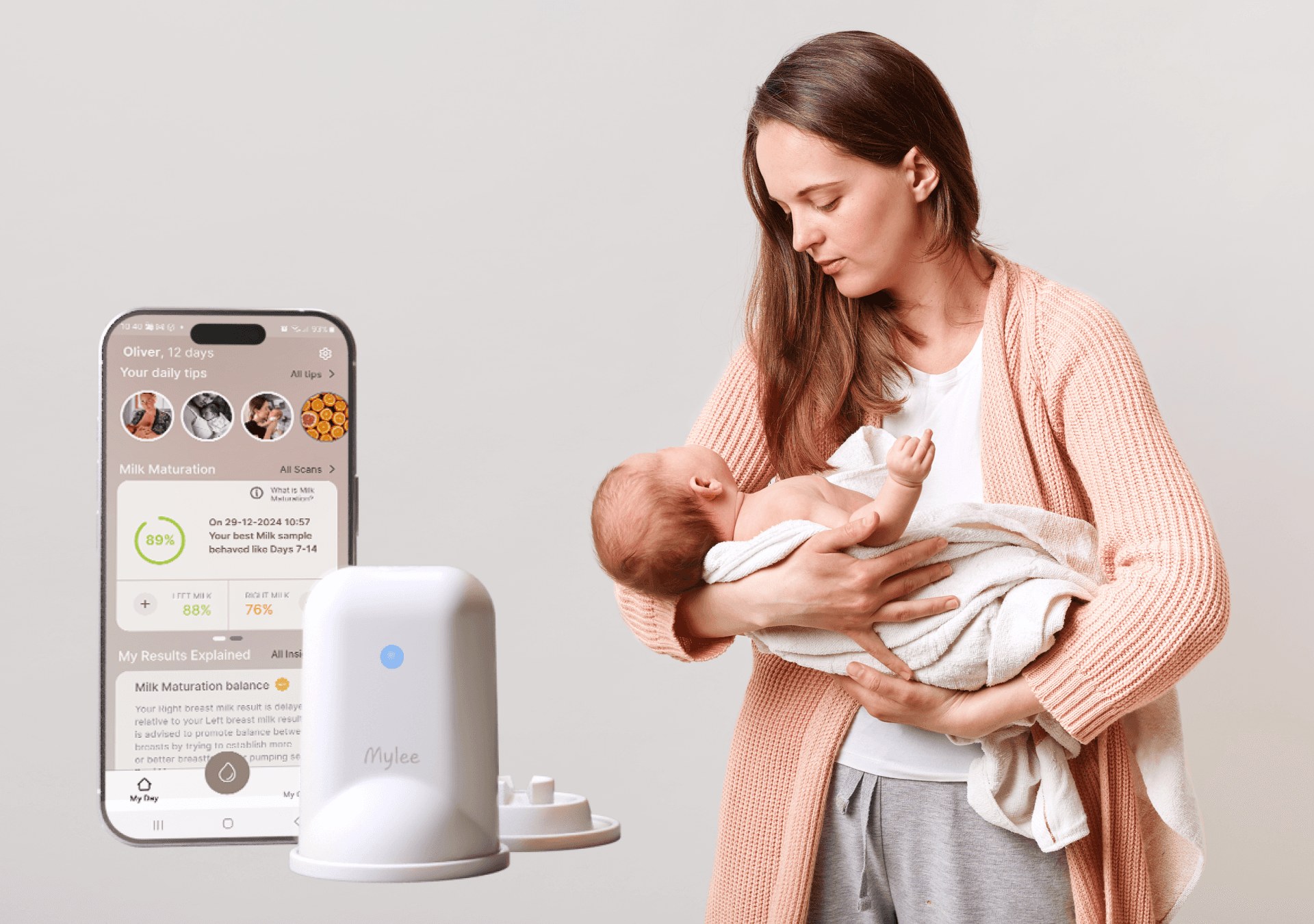
Designing a Role-Based Mobile Healthcare Experience
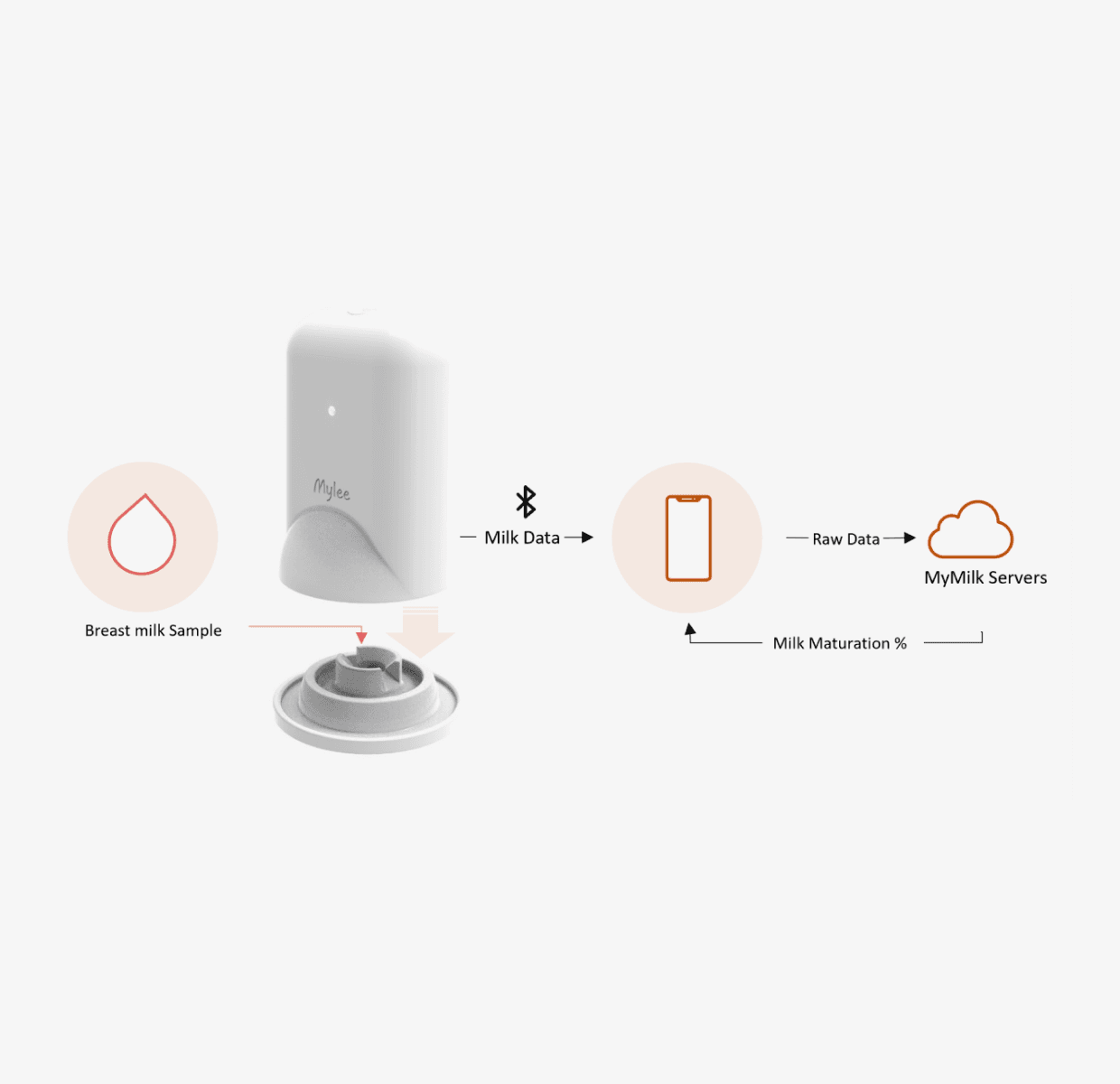
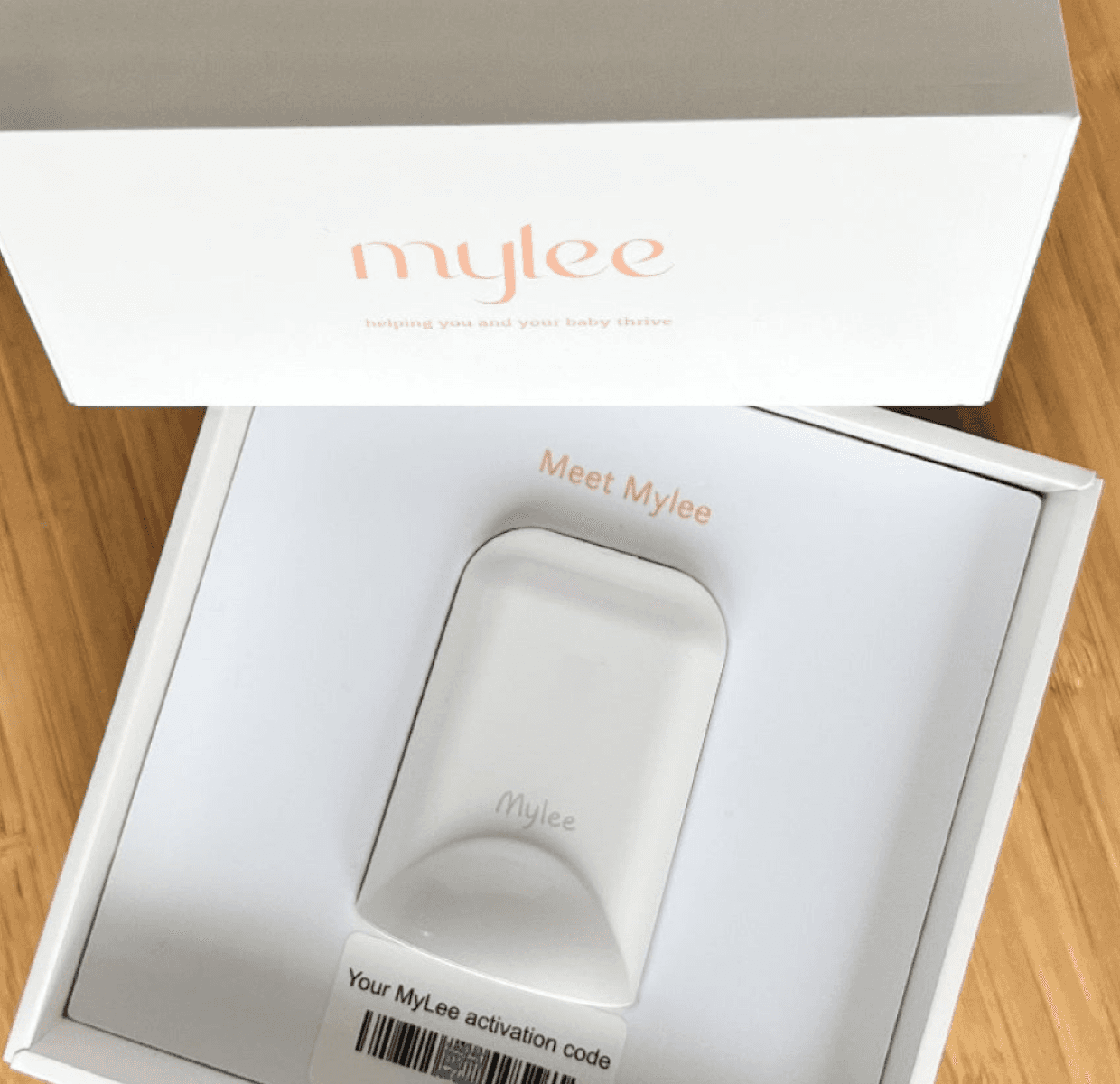
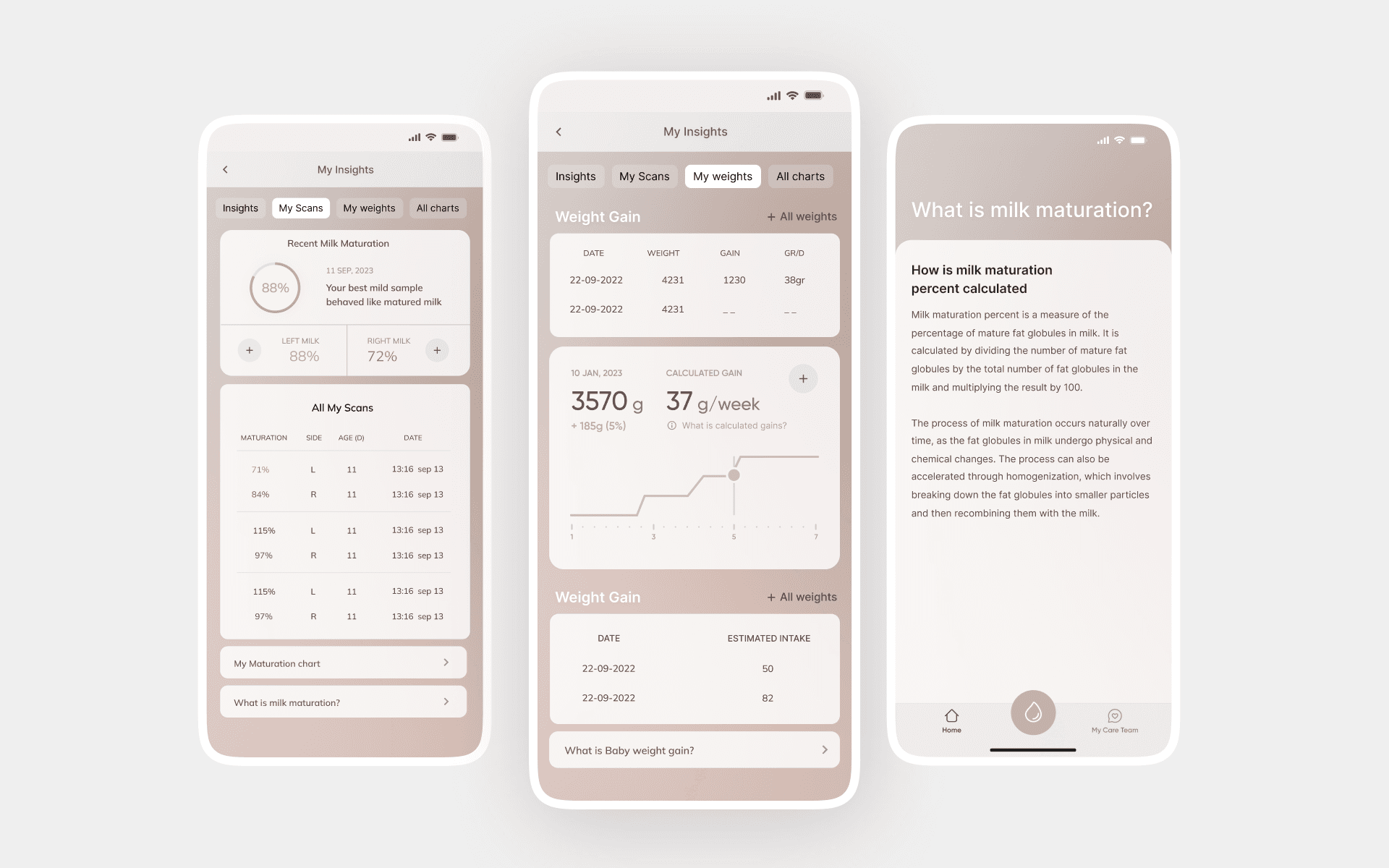
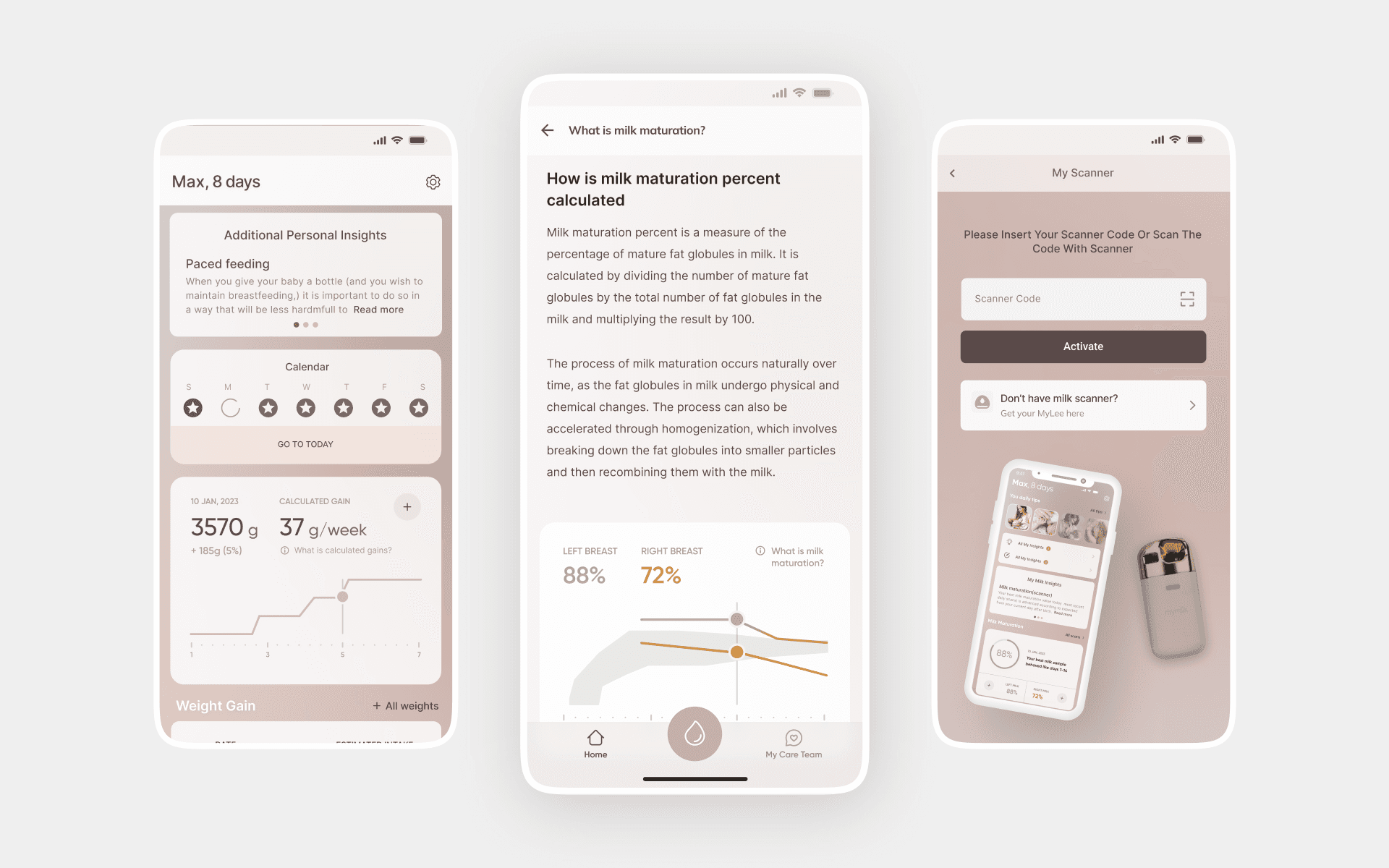
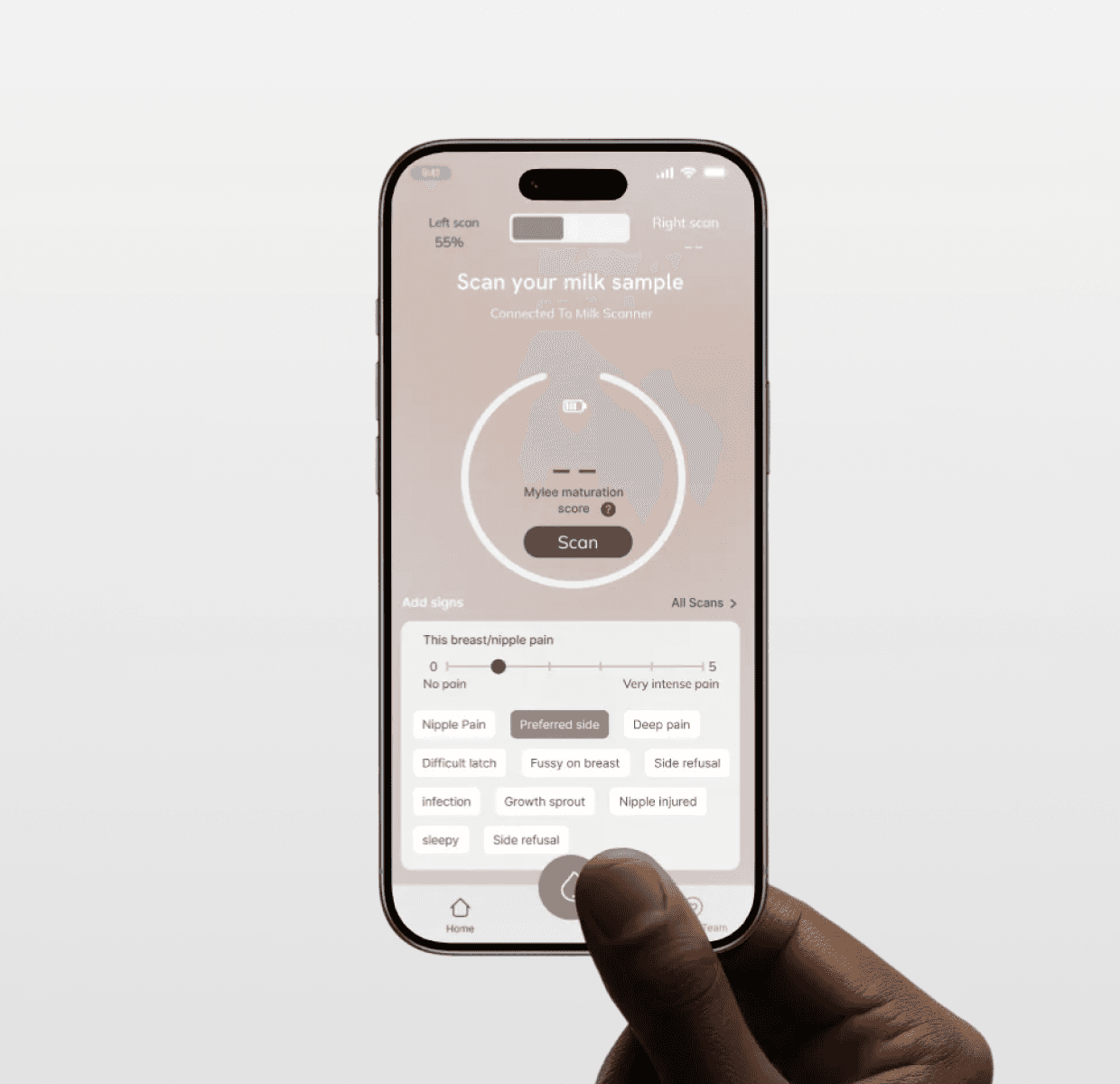
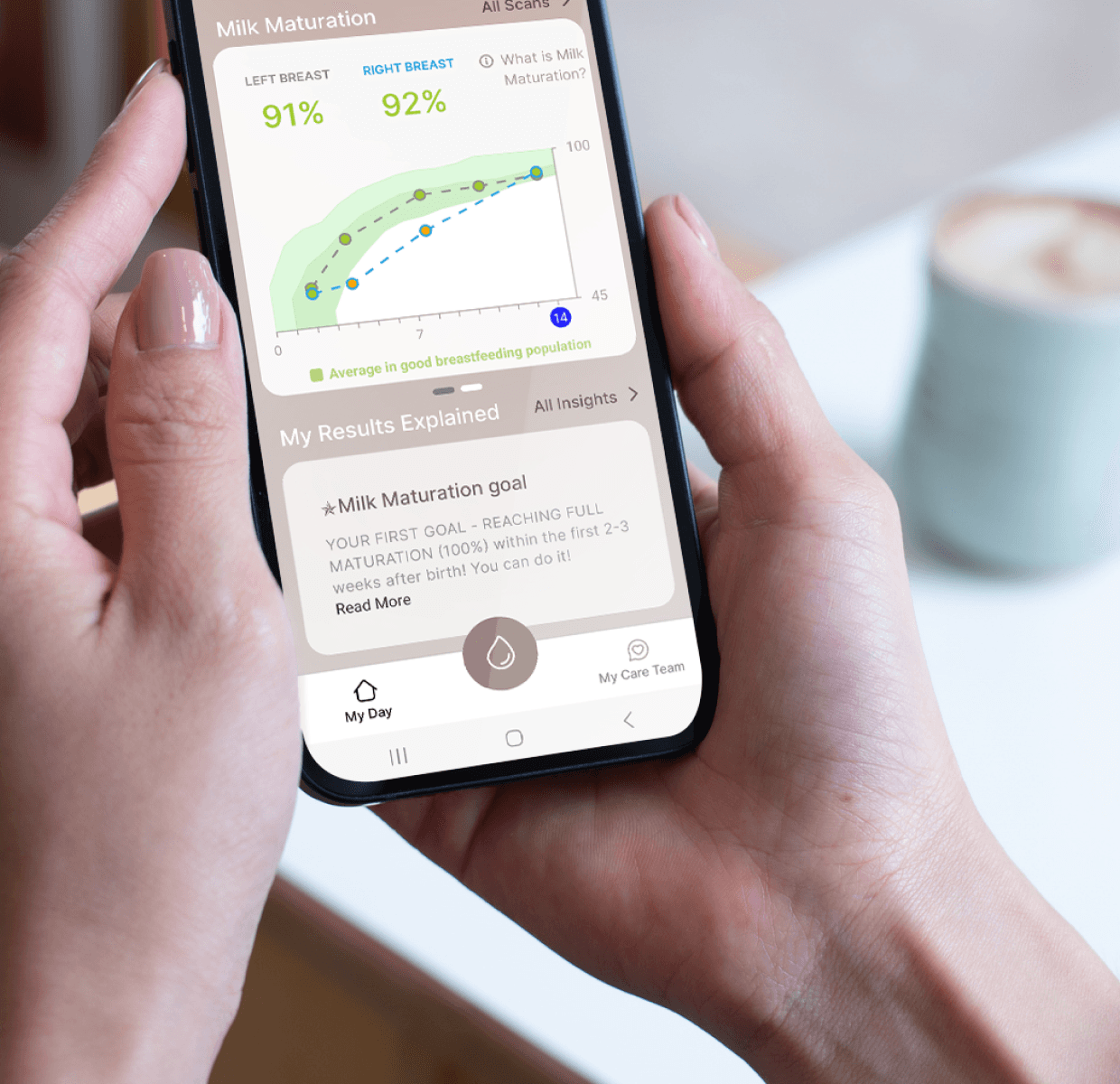
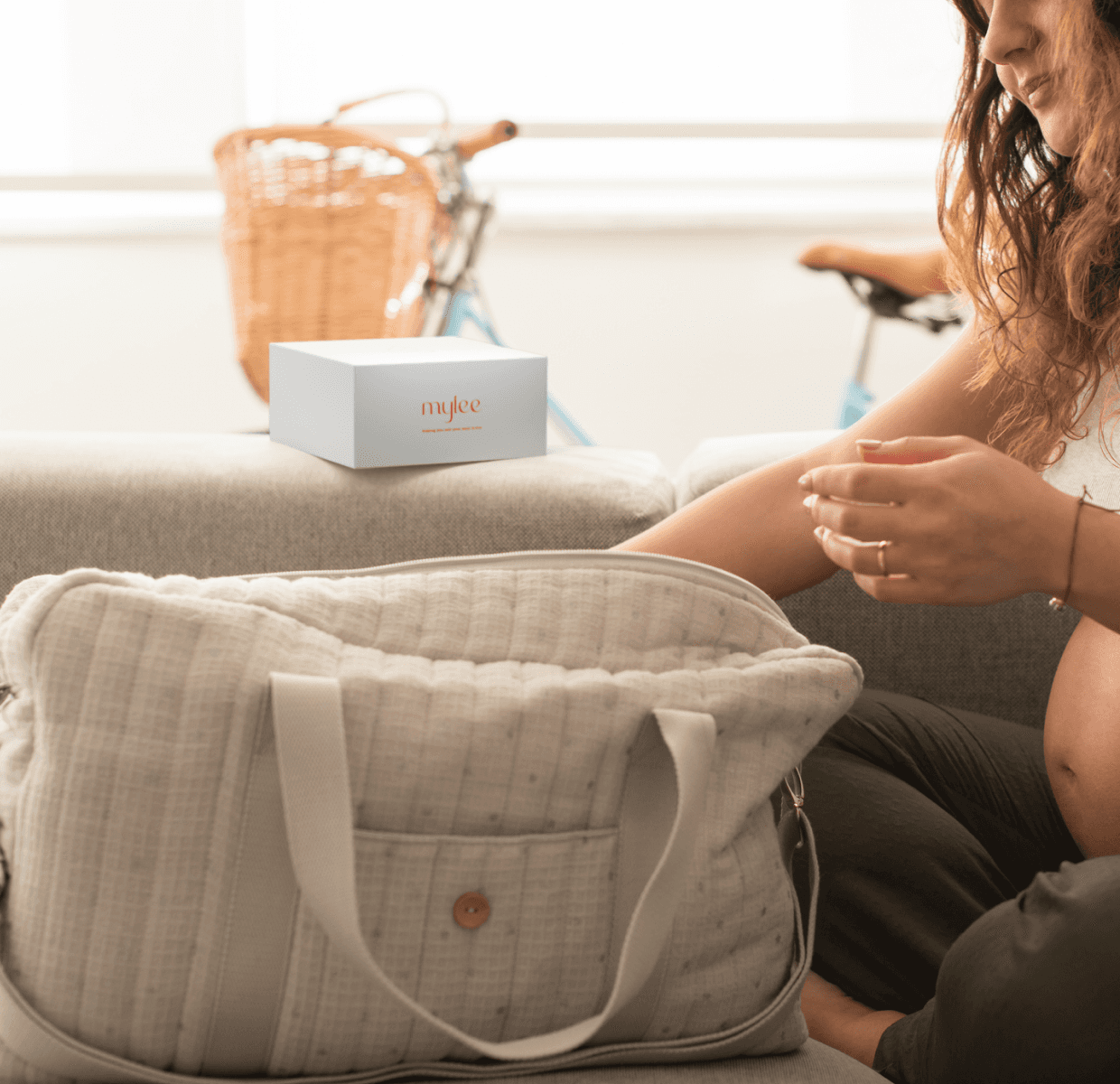
MyLee is a Bluetooth-enabled mobile healthcare platform designed to help mothers understand the quality of breast milk using a proprietary medical device developed by doctors in Israel. The mobile application acts as the primary interface between the user, the device, and healthcare professionals—translating complex clinical data into clear, actionable insights.
Product Vision & Framing
From a UX standpoint, the challenge was multi-layered. The application needed to support two distinct user groups—mothers and healthcare professionals—within the same system, each with very different needs, levels of expertise, and emotional context. Additionally, complex medical data generated through Bluetooth scans had to be simplified without losing clinical meaning. Trust, clarity, and privacy were critical, as users were interacting with sensitive health information related to both mother and baby.
Design Approach & Process
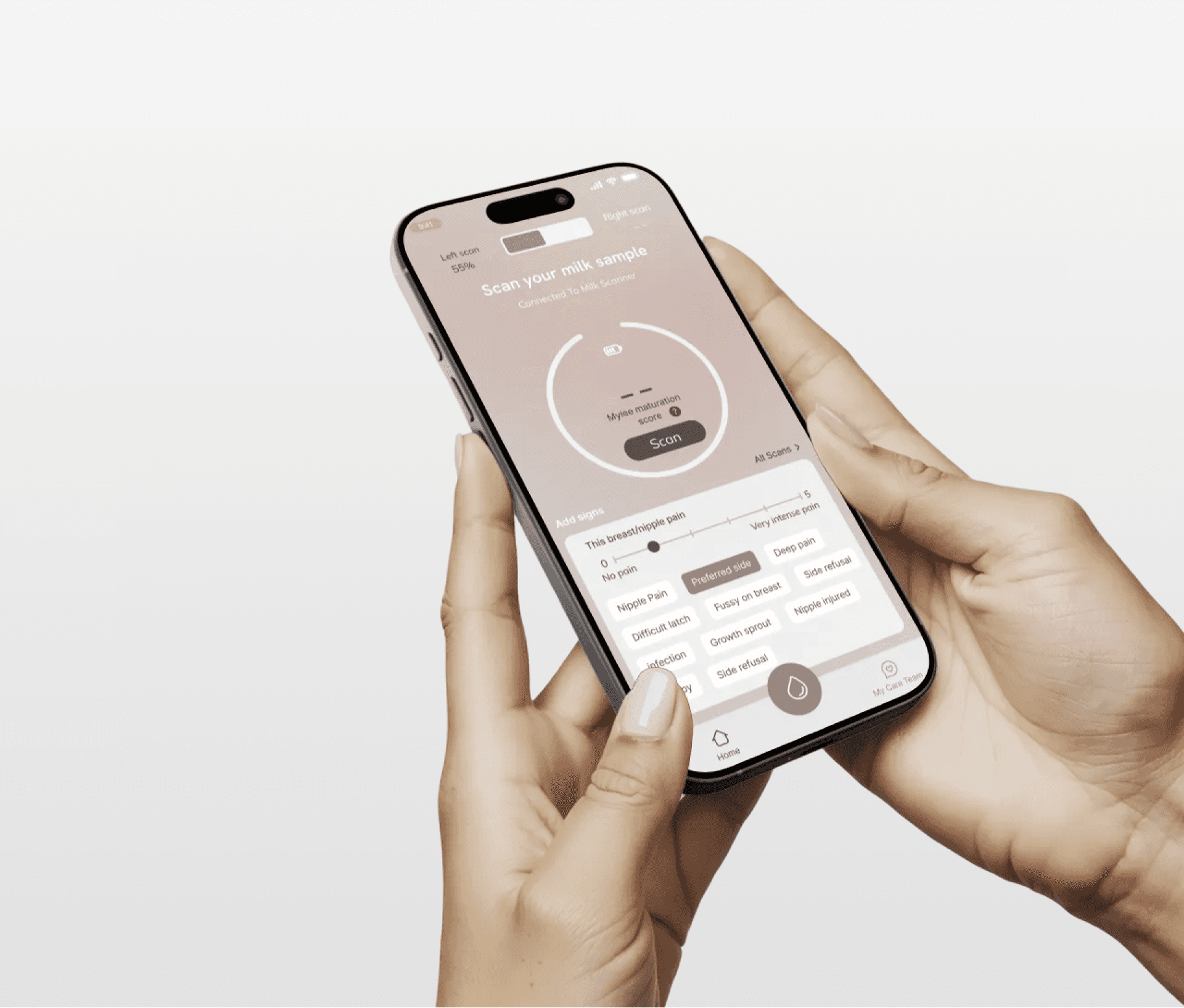
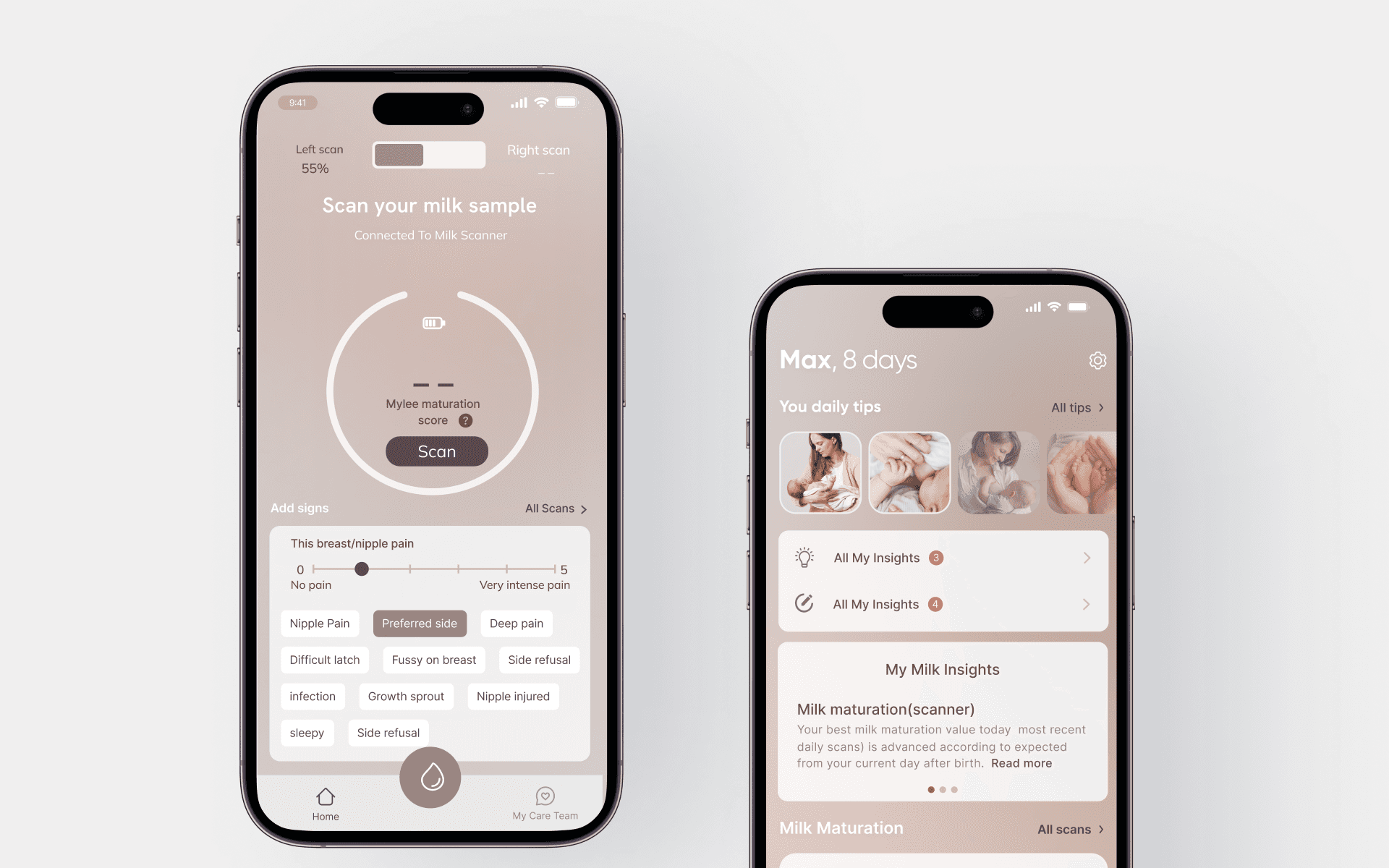
I approached MyLee with a human-centered, healthcare-first design mindset. Early design work focused on mapping emotional and functional journeys for both user roles. For mothers, the experience was designed to feel reassuring, supportive, and easy to understand—using simple language, friendly visuals, and guided interactions. For healthcare professionals, the focus shifted to efficiency, data visibility, and trend analysis. The scan flow was intentionally designed as a calm, step-by-step process to make Bluetooth-based medical interaction approachable for non-technical users.
Role-Based UX & Interface Design
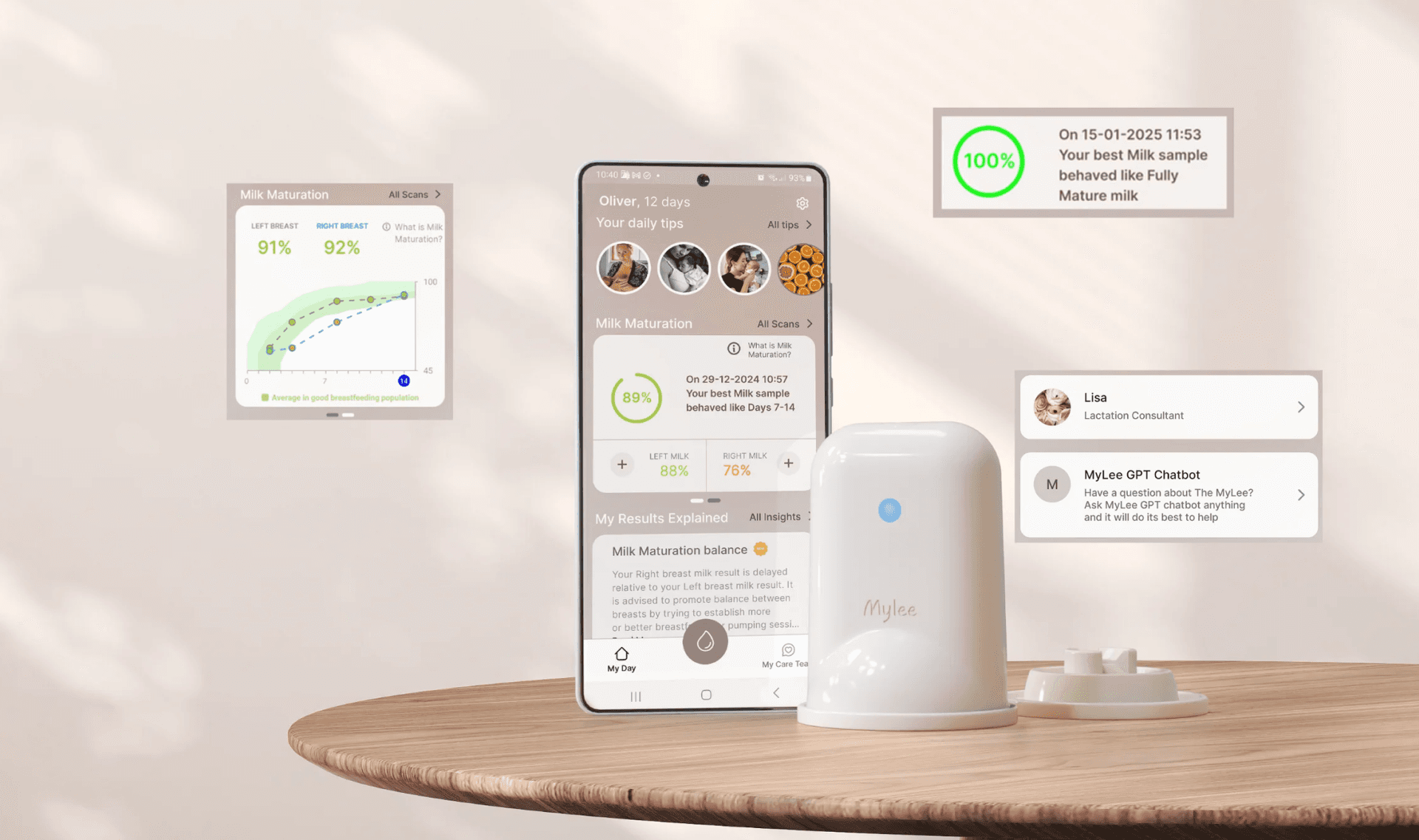
The platform was intentionally structured around role-based experiences. Mothers interact with the app as a personal health companion—scanning milk samples, tracking baby routines, answering daily questions, and viewing simplified insights through charts and visual indicators. Healthcare professionals access a separate interface optimized for monitoring multiple patients, reviewing trends, and receiving automated medical reports. The design ensured strict data separation while maintaining seamless collaboration between both roles within the same ecosystem.
Cross-Team & Partner Collaboration
I worked closely with developers, backend engineers, and QA to ensure the UX accurately reflected Bluetooth device behavior, data processing constraints, and security requirements. The final product delivered a clinically reliable yet emotionally considerate healthcare experience. The platform enabled clearer understanding for mothers, improved efficiency for healthcare professionals, and earlier visibility into potential health concerns—demonstrating how thoughtful design can bridge advanced medical technology and real-world human needs.
In healthcare, good design isn’t about screens - it’s about trust.
Unknown